Dartmouth '28 · Open to Summer 2027 APM / PM internships
I'm Alex, the PM on Evergreen, Dartmouth's AI wellness app, now in testing with 200 students. Before that: product at EchoStar and Youphoria. I study CS and Human-Centered Design at Dartmouth.
- $5M
- in research funding behind Evergreen
- 200
- students testing Evergreen, up from 15
- 41
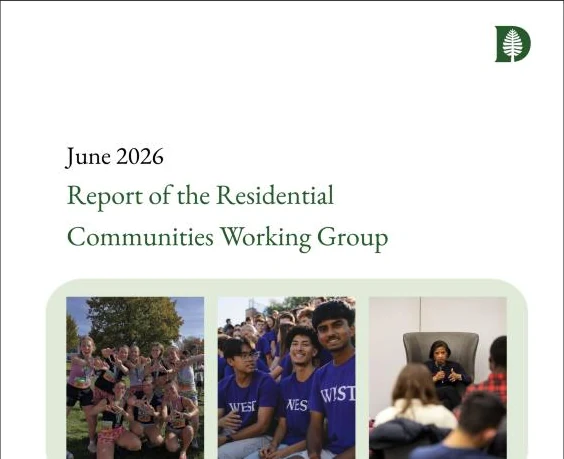
- student voices, cited in Dartmouth's official report
- 90%
- finish Evergreen onboarding now, up from about 60%
Places I've built with
Case studies
4 case studies · about a minute eachGetting students to trust an AI with their wellness
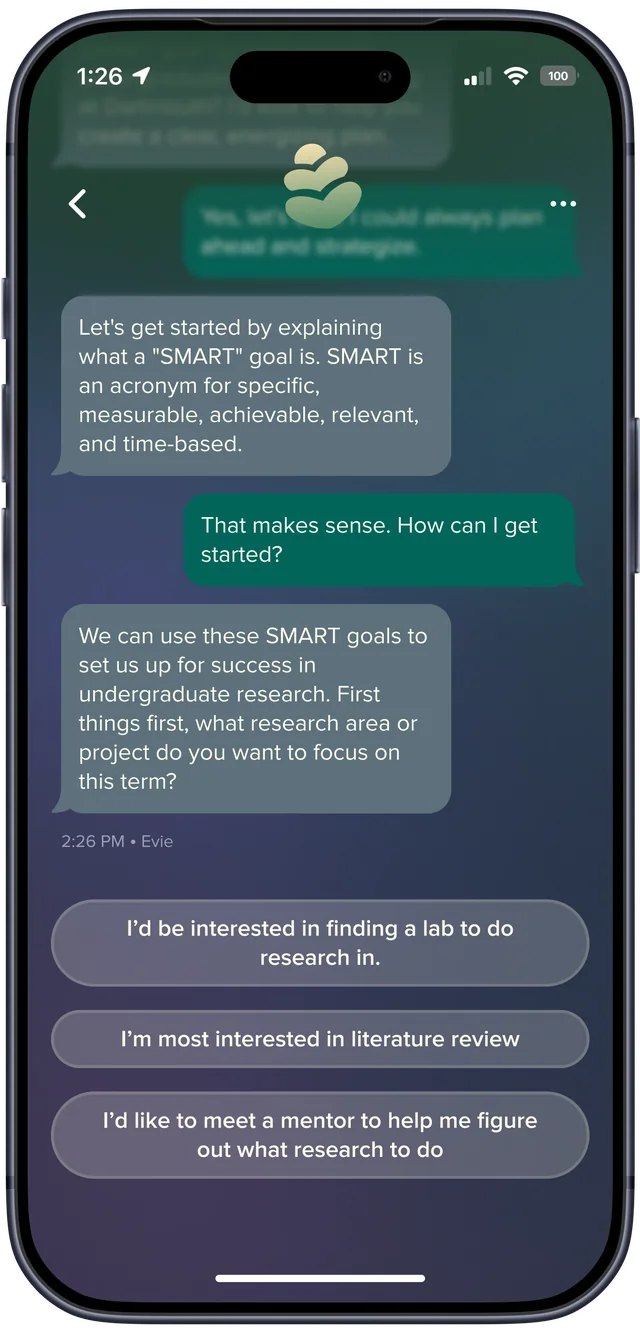
I'm the PM on Evergreen, Dartmouth's AI wellness app, now in testing with 200 students.
Read the case study →- 90%
- finish onboarding
- 80 → 30
- intake questions
- 200
- students testing it
The dashboard that got smaller on purpose
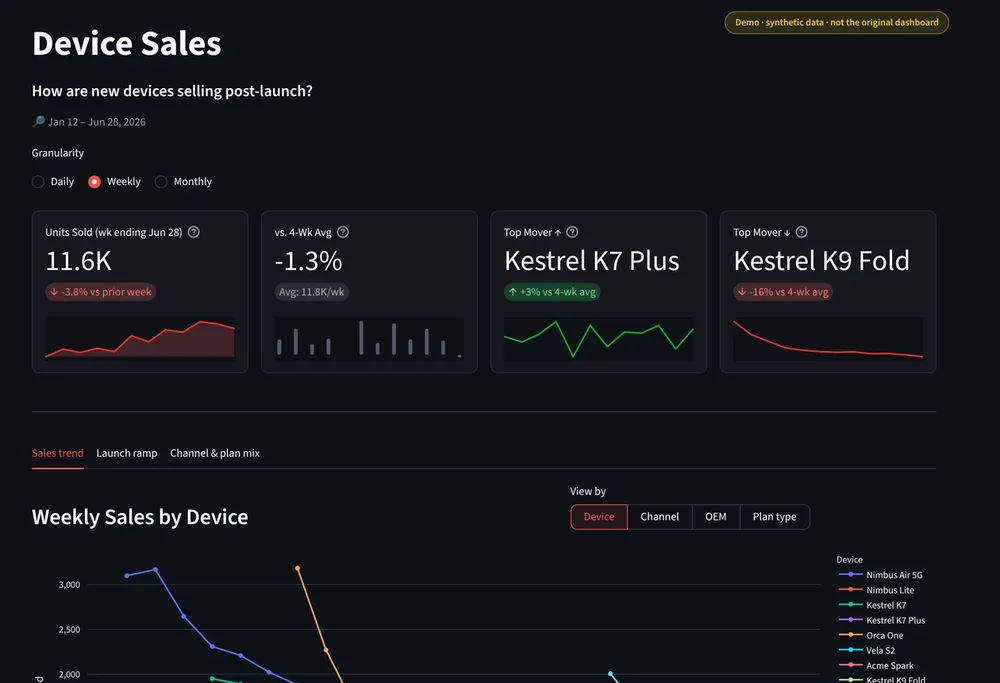
My EchoStar internship: turning hand-built spreadsheets into a self-serve dashboard, then cutting it down to what leaders actually used.
- 8 → 4
- dashboard pages
- ~3 hrs
- saved per request
- 1
- feature I killed
What 41 students told us about where they live
I co-led research on Dartmouth's living learning communities for a working group under the SVP for Campus Life.
- 41
- student voices
- 7
- recommendations
- 15/17
- communities
Following the youth journey
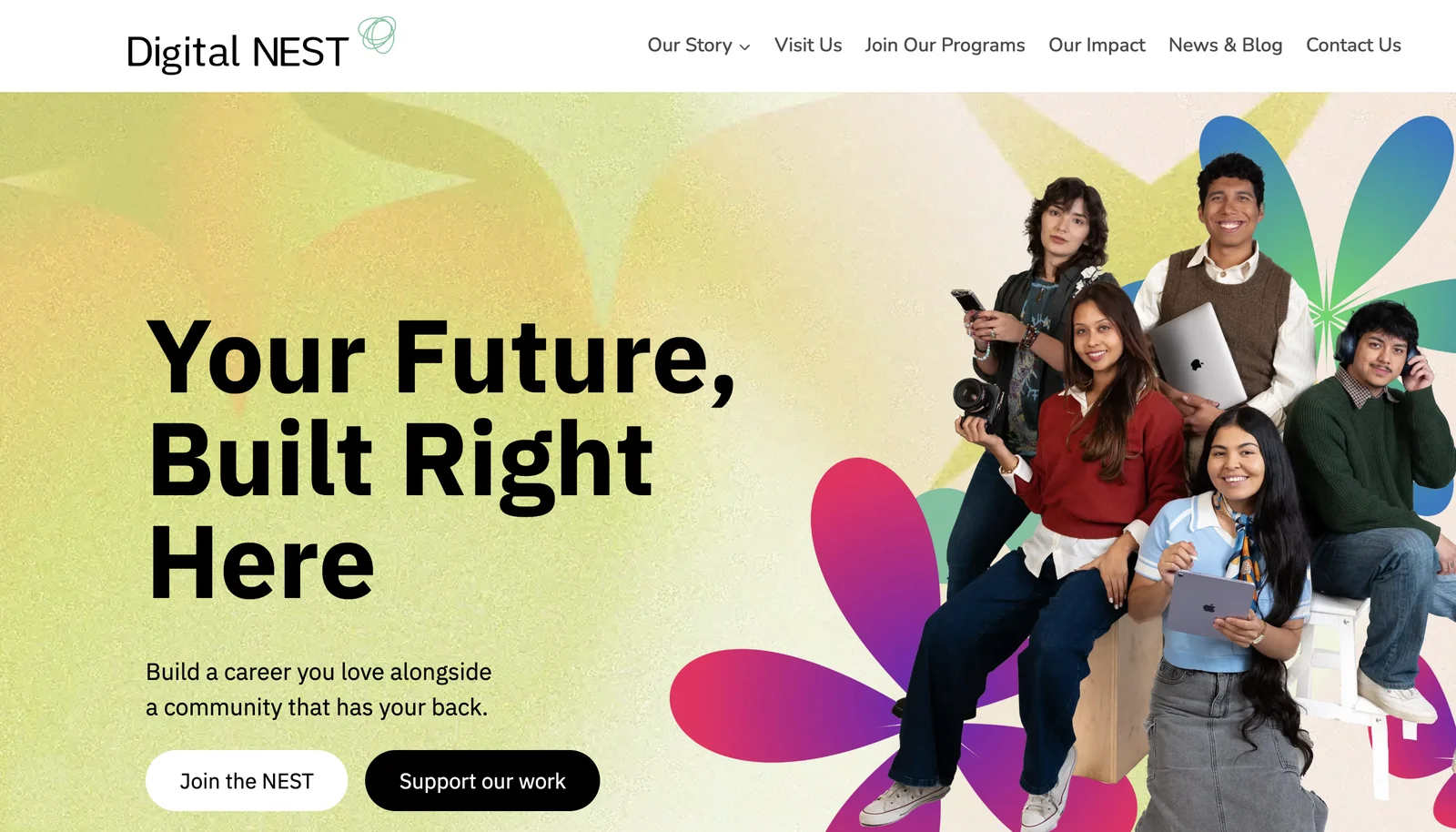
I was a member at Digital NEST, then an instructor. So I proposed my own study: where do new members fall through the cracks?
- 5 of 17
- finished training
- 5
- low-cost pilots
- 3 weeks
- of research
From people I've worked with
His process was a masterclass in precision: hand-validating hundreds of data points to ensure long-term stability, all while grounding every decision in a sharp, value-driven business case.
More work
Shipped, building, and testingYouphoria
Product Director · Feb – Jul 2026
Joined a ~50-person startup as an intern and was promoted to Product Director within a month. I pitched and launched Groups; 17 of 23 testers used it, and my estimate is that group members came back on day 7 about 70% more often.
youphoriaapp.com ↗Read more
The role
Youphoria is a social wellness and fitness app, live on the App Store with 500+ users and a team of about 50. I came in through a general internship and was made Product Director within a month. From then on, my job was deciding which new ideas were worth building, in what order, and how, then testing them before they shipped.
Groups
I had to argue for this one. Users were dropping off sharply after day 3. What made Youphoria different was how much it leaned into the social side of wellness, and Groups fit that: a group chat, a shared goal (like walking a certain amount together), and a way to track and cheer on each other’s progress. My bet was that people stick with habits when a group is counting on them. I vetted it, sequenced it, oversaw the build, and tested it. Groups launched, and 17 of the 23 testers we enrolled used it actively. By my estimate from our tester data, group members came back on day 7 about 70% more often. It’s a small sample and results varied by cohort, so I’d call it a strong signal, not a clean lift.
Getting it out there
I also partnered with marketing on launch pushes, defining who we were talking to and what we said to them.
The backlog
Requests came in from everywhere: users, teammates, outside contributors. I triaged them into what had to happen now and what could wait. A couple of the fixes that shipped: a “verify” button nobody understood (how do you verify someone’s solo workout?) and a home screen that was way too cluttered.
- Building
Personal Dashboard
Builder · 2026 – present
Tasks, calendar, email that needs a reply, and the weather on one screen, with an AI daily summary on top. I use it every day, and it saves me 30 to 60 minutes. Built end to end with Claude Code, Cursor, and Codex.
View on GitHub ↗Read more
Why I built it
Every morning I was opening four apps to figure out my day. So I built one screen that pulls in my Todoist tasks, Google Calendar, the Gmail threads that actually need a reply, and the weather, with a one-line AI summary on top.
How
Next.js and TypeScript, built end to end with Claude Code, Cursor, and Codex, across five phases I scoped one at a time. The AI summary is the newest piece. I review every AI-suggested change before it goes in, the same way I checked AI-drafted code at EchoStar.
Why it matters to me
The teams I want to PM for are building with AI every day. I wanted to know what that actually feels like from the inside, not just talk about it.
DALI Lab PM Mentor & Instructor
Product Manager Mentor · Sep 2026 – present
Taught a 4-session PM course to about 15 students, and coach two first-time PMs, one on an AI learning platform and one on a pair of games projects, on scoping, prioritization, and research.
Read more
What I do
I mentor two new PMs, each leading a different DALI Lab team. One is building an AI learning platform that creates personalized practice for students and shows instructors how their class is doing. The other is working on two games projects with a campus partner: a community story experience and an arcade-style game picker.
How
I’m not building their products. I help them write requirements, make prioritization calls, plan user research, and run stakeholder meetings. I also taught a 4-session PM course to about 15 students at the lab.
What I’ve learned
Explaining why you’d cut a feature is the fastest way to find out whether you actually know.
- In user validation
Puente
Independent project · 2026 – present
An app idea where immigrant parents learn English with their already-fluent kids as the guides. Before I build anything, I'm testing whether the idea holds up with real families.
Read more
The idea
A lot of immigrant parents want to learn English, and a lot of their kids are already fluent. Puente, Spanish for “bridge,” would turn that into a structured app where the kid is the guide, with nonprofits that serve immigrant families as the way in.
Why I’m not building it yet
Three assumptions hold the whole thing up, and any of them could be wrong:
- The barrier is a missing tool. It might really be time, cost, childcare, or embarrassment. If parents already have free apps they never open, another app won’t fix that.
- Kids want the teaching role. A teenager correcting a parent every night flips a family dynamic, and some kids will hate it.
- Nonprofits will commit. Encouragement is free. An introduction, a room, or a pilot is the real signal.
The plan
Nonprofits first, because one person who works with dozens of families can tell me in an hour what six parent interviews would take a month to surface. Then six to eight parents and three or four kids, talked to separately, since a teenager won’t say “this is embarrassing” with their mom in the room. I wrote down what I expect to hear before any of it, so I can tell what actually surprises me.
What counts as a win
A commitment, not enthusiasm. And if the idea breaks, that’s still the answer I need. I’d rather kill my own idea for clear reasons than build something nobody tested.
BiteBuddy
Project Lead · 2025
A Design Thinking class project. We set out to build a fitness tracker, tested it in the library, and found the real problem: healthy eating falls apart during midterms and finals. 10 of 12 prototype testers said BiteBuddy would help.
Read more
The prompt
Our class challenge: use generative AI to meet an unmet need in the Dartmouth experience. We kept coming back to one idea, that wellness shouldn’t be treated as separate from academics. Jed Foundation data showed Dartmouth’s eating disorder rate sits above the national average, even though overall wellbeing is about on par. That gap stuck with us.
The pivot
We started with a fitness tracker. Then we took it to students in the library, and about 20 conversations later it was clear that wasn’t the need. People weren’t struggling to log workouts. They were dropping healthy eating right when school got hardest. We pivoted a few times before landing on BiteBuddy.
What we designed
Three features came straight out of the research:
- It works around your schedule, instead of asking you to work around it.
- Meals are social. You can share a meal with friends, because “I would use it if I could share meals with a friend” came up more than once.
- Reminders adapt. It learns what works for you and what doesn’t.
We scoped the ethics before the features: privacy, how much control the AI gets, mental health, cultural sensitivity, and not pushing people to over-optimize. Given why we started, that part wasn’t optional. Testers set the tone for us too: “Eating is not a reward, but a necessity.”
What happened
We tested a working prototype with 12 students, and 10 said it would help their habits. One tester named the risk I’d go after next: “I predict a starting group that will start using it well but swipe off it after some time.” We presented to faculty with a plan to partner with the Student Wellness Center. The project ended with the class, but it’s where I learned to let a survey kill my first idea.
Dartmouth Football Initiative
Project Lead · Sep 2025 – present
Leading a 4-person student team building a player tracking and scouting platform, with Dartmouth Football's coaching staff as our users.
Read more
The idea
Dartmouth Football’s coaching staff needed a better way to keep track of players and scouting. I lead a four-person team through the Dartmouth Society of Computer Science Students that’s building that platform with them.
How we work
The coaches are both our users and our stakeholders, so the work starts in conversations with them. My job is turning what they need into requirements and a priority order my team can actually build from.
What we’ve built so far
Player profiles and planning tools came first, because everything else depends on them. We’ve cut the scope down to what matters most to the staff, and we keep reworking mockups and workflows every time coaches react to them. It’s the closest thing I’ve had to a client project, and it’s still going.